

Driving in Morocco as a Foreigner
Driving in Morocco as a Foreigner: Speed Limits, Tolls, and Safety Tips
Everything you need to know before you get behind the wheel — speed limits, tolls, checkpoints, and parking, explained clearly and without the myths.
Driving in Morocco as a foreigner is one of those things that sounds more daunting from a distance than it actually is once you’re behind the wheel. Unfamiliar road signs, a different currency, checkpoints you’ve read stories about online — none of it is unusual once you understand how it actually works. This guide covers exactly that: the practical, unglamorous details that make the difference between a confident first drive and a stressful one.
Nothing here requires prior experience driving abroad. By the end, you’ll know the actual speed limits, how tolls and checkpoints work in practice, where to park safely, and what to expect on Morocco’s roads generally. Reassuring, practical, and written specifically for someone who hasn’t done this before.
🛡️ Is Driving in Morocco Safe for Tourists?
This is the question almost every first-time visitor asks before booking a hire car, and the honest, reassuring answer is: yes. Is it safe to drive in Morocco? — genuinely, for the vast majority of visitors, it is straightforward and manageable, provided you approach it with the same care you would anywhere unfamiliar.
Modern Autoroutes
Morocco’s toll motorway network, operated by Autoroutes du Maroc, connects the major cities with roads comparable to European standards.
Active Enforcement
Speed limits, radar controls, and police checkpoints are all professionally managed — a sign of good regulation, not danger.
Clear Signage
Road signs use French and Arabic, with international pictograms for major hazards and directions. GPS navigation works reliably throughout the country.
Morocco’s Autoroutes du Maroc network has expanded substantially over the past two decades, connecting Tangier, Casablanca, Rabat, Fès, and Marrakech with genuinely excellent toll motorways. Secondary national roads are generally well-maintained too, though naturally more variable than the tolled autoroutes. As with driving anywhere new, the adjustment period is real but brief — most first-time visitors report feeling comfortable within the first few hours.
🚦 Speed Limits & Radar Controls
Morocco’s speed limits are straightforward and consistently signposted. Here’s the exact breakdown.
| Road Type | Speed Limit | Notes |
|---|---|---|
| Motorways (Autoroutes) | 120 km/h | Tolled, dual carriageway, connecting major cities |
| Expressways / National Roads | 100 km/h | Non-tolled main routes between towns |
| Urban / City Areas | 60 km/h | Reduces further near schools, roundabouts, and town centres |
Morocco Speed Limits Radar — What to Expect
Morocco speed limits radar enforcement is genuinely active, particularly on the autoroute network and on approaches to towns where the limit drops sharply. Both fixed radar cameras and mobile radar units (operated from parked police vehicles) are common. Fines for exceeding the limit are issued on the spot in most cases, payable in cash to the officer, with a receipt provided. Fines scale with how far over the limit you were travelling, but even modest infractions typically start in the range of a few hundred dirhams.
💳 Highway Tolls: How the Autoroutes Work
Morocco’s motorway network operates on a toll basis, and understanding Morocco highway toll payment before you set off removes one small but common source of first-drive confusion.
How Toll Booths Work
You’ll take a ticket when entering the motorway at a toll gate, and pay based on distance travelled when you exit at your destination toll gate. Most booths have multiple lanes — cash lanes (marked, usually with a coin/note symbol) and Jawaz lanes (Morocco’s electronic toll tag system, similar to an E-ZPass).
Cash vs Jawaz Lanes
- Cash lanes — accept dirham notes and coins. Attendants provide change. This is the standard approach for most hire car drivers.
- Jawaz lanes — for vehicles fitted with an electronic tag that deducts the toll automatically without stopping. Not every hire car has one fitted; confirm with your rental company.
- Don’t enter a Jawaz-only lane without a tag — these lanes have no attendant and no way to pay cash, which creates unnecessary complications. Watch for the lane signage before committing.
👮 Handling Police Checkpoints
Police checkpoints Morocco driving queries come up often from first-time visitors, usually driven by online stories that make the experience sound more intense than it actually is. In practice, checkpoints are routine, professional, and typically over within a minute or two.
What to Do When You See One
- Stop completely if signalled — don’t slow and roll through, even if the officer appears to be waving traffic on.
- Wait for a clear signal before proceeding, whether that means being waved through or asked to pull over.
- Lower your window and greet the officer politely — a simple “Bonjour” or “Salaam” goes a long way.
- Have your documents ready rather than searching for them once asked — this speeds the process up considerably.
Documents to Have Ready
- Passport — for identification.
- Driving licence — your home country licence, ideally alongside an International Driving Permit.
- Rental agreement — proof the vehicle is legitimately hired, with your name matching the licence presented.
Checkpoints exist for routine traffic monitoring, document verification, and general road safety — not to target tourists specifically. Most stops for foreign-plated or rental vehicles are brief once documents check out. Stay calm, stay polite, and you’ll find the entire interaction considerably less eventful than any online horror story suggests.
🅿️ Parking & the Gardiens de Voitures
One distinctly Moroccan feature of city parking is the car parking in Morocco gardiens system — informal but widely recognised parking attendants who watch over vehicles parked on the street.
How Gardiens Work
In most Moroccan towns and cities, you’ll find attendants — often wearing yellow or blue vests, sometimes with an official municipal badge — who direct you into a parking space and keep an eye on your vehicle while you’re away. This isn’t a scam or an optional tip; it’s a recognised, semi-formal system that most Moroccans use without a second thought.
What You’ll Pay
- Daytime parking — typically 3–5 MAD, paid when you return to the car.
- Overnight parking — typically 10–20 MAD, sometimes paid in advance if the gardien confirms they’ll be present overnight.
- Blue zone parking — marked with blue lines and often ticketed rather than gardien-managed; look for a nearby ticket machine or attendant collecting payment.
📄 Driving in Morocco with a Foreign Licence
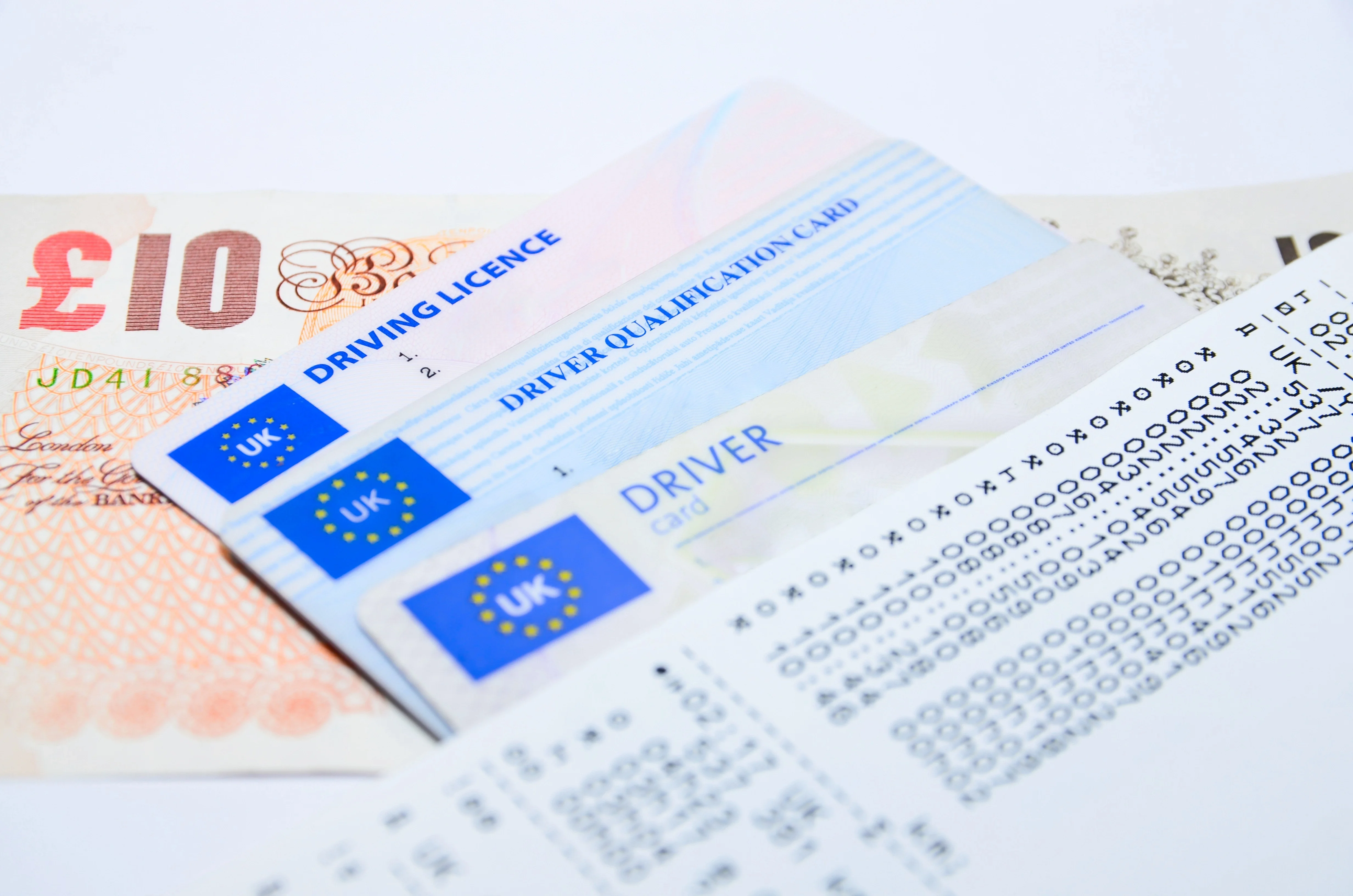
Driving in Morocco with a foreign licence is straightforward for the vast majority of nationalities. Your home country’s driving licence, held for at least one year, is accepted at hire car desks and recognised on the road.
- Latin-script licences — generally accepted on their own, though an International Driving Permit (IDP) is still recommended as a simple precaution.
- Non-Latin-script licences (Arabic, Chinese, Russian, etc.) — an IDP is effectively required, as it provides a translated, internationally recognised version of your credentials.
- Minimum age — 21 at most rental companies, with a young driver surcharge often applying up to age 24–25.
Arranging an IDP before you travel takes only a few minutes through your home country’s motoring association and removes any potential ambiguity at checkpoints or the rental desk.
⭐ Why Renting with Huren Cars Gives You Peace of Mind
Every point covered in this guide is easier to navigate with a rental company that anticipates the questions before you have to ask them. That’s the difference Huren Cars makes for first-time drivers in Morocco.
Huren Cars — Confidence Built In
24/7 roadside assistance · Comprehensive insurance · Transparent contracts · Airport pickup
If a checkpoint or a toll lane ever leaves you uncertain, the Huren Cars 24/7 helpline is a call away — genuine roadside support, not a script read by someone unfamiliar with the country. Comprehensive insurance options, explained clearly at booking rather than assembled at the desk, mean you’re covered properly from the first kilometre. And with airport pickup at Casablanca or Marrakech, your first drive in Morocco starts the moment you land, without added stress.
❓ Frequently Asked Questions
Confidence Comes from Knowing What to Expect
Driving in Morocco as a foreigner isn’t complicated once the unfamiliar becomes familiar — speed limits that make sense, tolls that work like any other motorway, checkpoints that are routine rather than remarkable, and a parking system that’s genuinely convenient once you understand it. Everything in this guide exists to close that gap before you ever turn the key.
Huren Cars is here for everything this guide couldn’t anticipate — a genuine 24/7 helpline, insurance that’s explained clearly, and a team that knows these roads. Book your car, bring your documents, and drive with confidence.